Orientation to Self-Administered Weight Loss Medications
-
SQ Injections
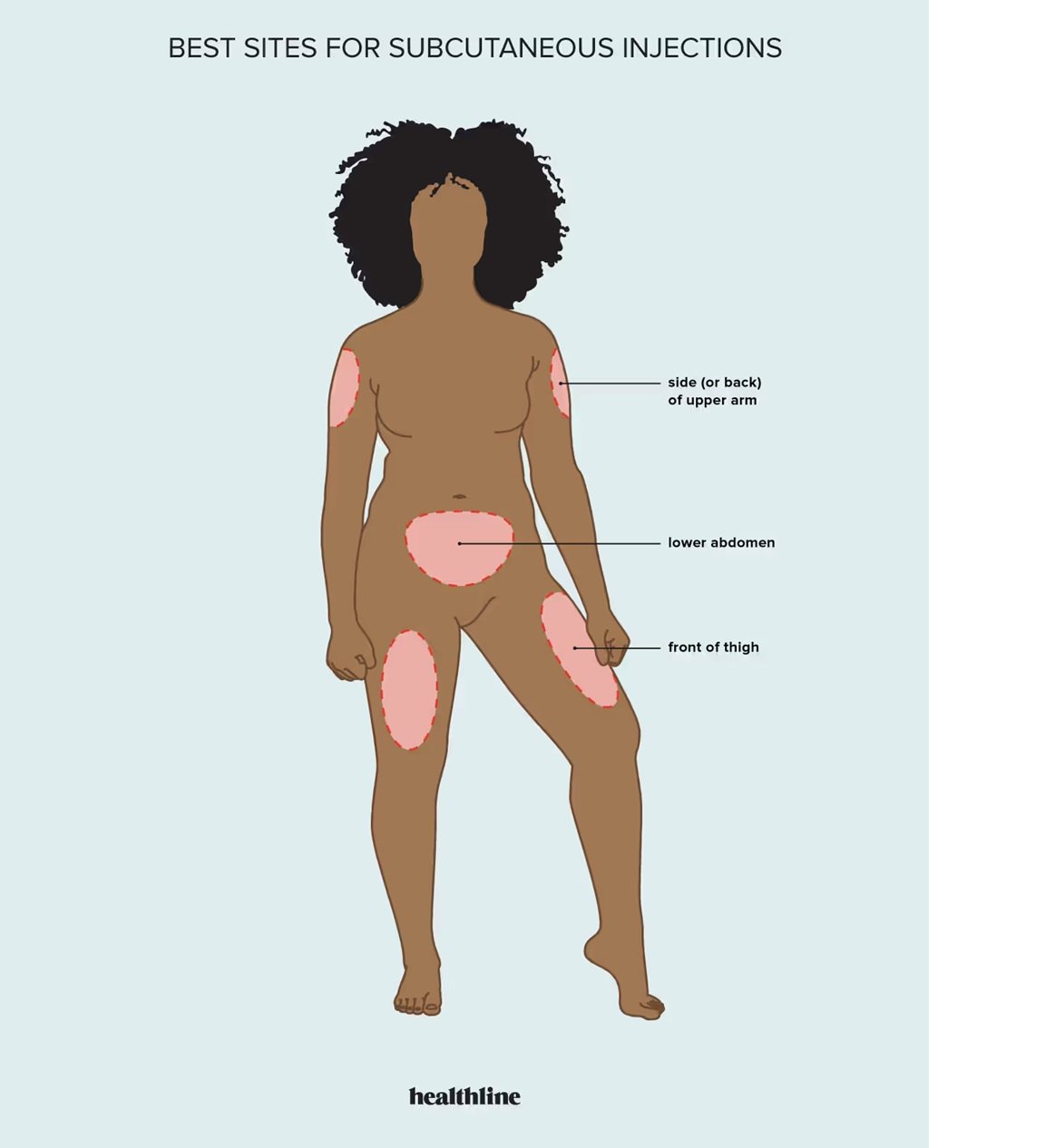
Subcutaneous injections involve delivering medication into the subcutaneous layer of fat located just under the skin. This method is commonly used for medications that require slow absorption, as it allows the drug to enter the bloodstream gradually. A short needle is typically used to inject the medication into areas such as the abdomen, thigh, or upper arm.
IM Injections
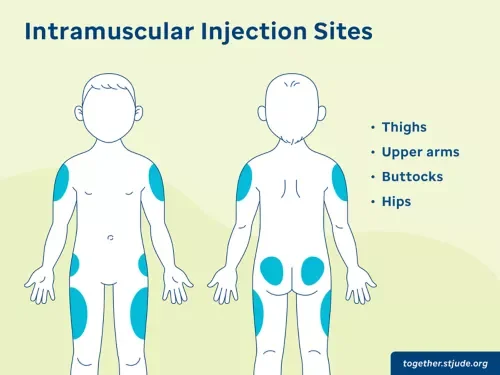
Intramuscular injections (IM injections) are a method of administering medication directly into the muscle tissue. This method is preferred because muscles have a larger and more numerous blood supply, leading to faster absorption of the medication into the bloodstream. IM injections are commonly used for vaccines, antibiotics, hormonal therapies, and corticosteroids. The medication forms a small pocket called a depot in the muscle, where it is gradually absorbed over time.
Drawing Medication and Subcutaneous (SQ) Injection:
Intramuscular (IM) Injection:
(see below for visual)
-
There are three units of measurements when discussing your medication.
1) milligrams - mg (the actual dose of the mediation)
2) milliliters - ml (the volume of the medication, usually liquid, in vial)
3) units - u (the measurement for dosing)
Your DOSE will always be measured in MILLEGRAMS (mg).
To make it easier for administration, pharmacy will send you insulin syringes which are measured in units. Use the syringe to draw up medication, which is measured in units.
-
Directions on how to safely dispose of your needles when you have completed an injection.
-
Ran out of syringes? Click the link below.
-
Compounded medications are drugs that are custom-prepared by a pharmacy (compounding pharmacy) to meet the specific needs of an individual patient, as opposed to commercially manufactured FDA-approved products.
Compounding pharmacies can be categorized into two main types:
503A Compounding Pharmacies: these pharmacies compound medications for individual patients based on a licensed healthcare provider’s prescription. They are regulated by state boards and must adhere to strict standards for quality and purity.
503B Compounding Pharmacies: these are outsourced compound medications in bulk for healthcare providers, clinics, and hospitals. They must comply with FDA regulations and can only compound drugs that are FDA-approved or on the 503B bulks list.
DCA Pharmacy is a 503A compounding pharmacy.
MediVera is a 503A compounding pharmacy.
Olympia Pharmacy is a 503A and 503B compounding pharmacy.
Solara Science is a provider-only sourcing partner that offers medical professionals access to professional use products.
-
GLP-1 medications slow digestion and can sometimes cause nausea, cramping, bloating, constipation, or diarrhea. These effects are usually mild and often improve over time.
Nausea
• Eat smaller, more frequent meals
• Avoid greasy, fried, or heavy foods
• Stay upright after eating
• Choose bland foods (toast, crackers, broth, rice, bananas)
• Sip water or clear fluids throughout the day
• OTC options: Ginger (chews, tea, or capsules), peppermint tea or lozenges, motion-sickness medicines such as Dramamine® (dimenhydrinate) or Bonine® (meclizine), and non-medication options like Sea-Bands® (acupressure wristbands)
Cramping or Abdominal Discomfort
• Stay hydrated (6–8 cups water daily unless restricted)
• Take a gentle walk after meals
• Use a warm compress or heating pad on your stomach
• Eat slowly and chew well
• Avoid carbonated drinks
• OTC options: Simethicone (Gas-X®, Phazyme®) for gas and bloating, peppermint oil capsules (enteric-coated) to ease intestinal cramping, electrolyte drinks (Pedialyte®, Gatorade Zero®, LMNT®) if fluid loss is a concern, and probiotics (Culturelle®, Align®) for gut balance
Constipation
• Increase dietary fiber slowly (oats, vegetables, psyllium husk)
• Consider fiber supplements such as Metamucil® or Benefiber®
• Use stool softeners like Colace® (docusate sodium)
• If needed, use a mild laxative such as MiraLAX® (polyethylene glycol)
Diarrhea
• Stick to bland foods (bananas, rice, applesauce, toast)
• Replenish fluids and electrolytes
• Loperamide (Imodium®) can help for short-term diarrhea if there is no fever or blood in the stool
When to Call Your Provider
Contact your healthcare provider if you experience severe or worsening abdominal pain, persistent vomiting or inability to keep fluids down, blood in vomit or stool, or signs of dehydration such as dizziness, dark urine, or rapid heartbeat.
Quick Tips to Remember
✔ Small, bland meals
✔ Stay hydrated
✔ Consider OTC remedies if needed
✔ Call your provider if symptoms are severe or persistent
-
Free weight loss tracker.
-
Each medication order includes a $50 prescription fee each time you order. This fee covers the clinical work behind the scenes and is the sole source of income for my practice, allowing me to keep care personalized, accessible, and transparent.
-
✓ Nutrient-dense
✓Minimally processed diet, avoid refined carbohydrates, sugar-sweetened beverages, red and processed meats, and ultra processed foods.
✓Emphasizing fruits, vegetables, whole grains, legumes, lean proteins, nuts, seeds, and healthy plant oils
✓Look into the Mediterranean or DASH dietary patterns (proven cardiovascular risk reduction benefits)✓Adequate protein intake (≥1.2 g/kg/day) is critical to mitigate muscle loss during weight reduction, with emphasis on plant-based proteins, dairy, seafood, eggs, and lean poultry rather than red or processed meats.
Suggestions
-Chicken breast = 30g
-Turkey (3.5zoz) = 30g
-Beef (3.5oz) = 30g
-Eggs (4 large) = 28g
-Cottage cheese (1 cup) = 28g
-Almonds (1 cup) = 20gFYI: Lightheadedness and fatigue often occur when you are not consuming enough or not hydrated. Electrolyte supplements added to water is recommended.
Prescriber Disclosure: I have no financial affiliation with any pharmacy and do not receive compensation, incentives, or reimbursement from any pharmacy to which prescriptions are sent. I am a board‑certified prescriber whose scope includes clinical assessment, formulation and implementation of a treatment plan, monitoring therapeutic response, and providing pharmacologic and lifestyle education.
I do not receive any portion of patient medication costs.
Patients may request that prescriptions be sent to a specific pharmacy. Any pharmacy utilized must be appropriately licensed, accredited, and regulated at the state level. Compounding pharmacies must demonstrate FDA‑compliant practices and maintain 503A compounding standards.